
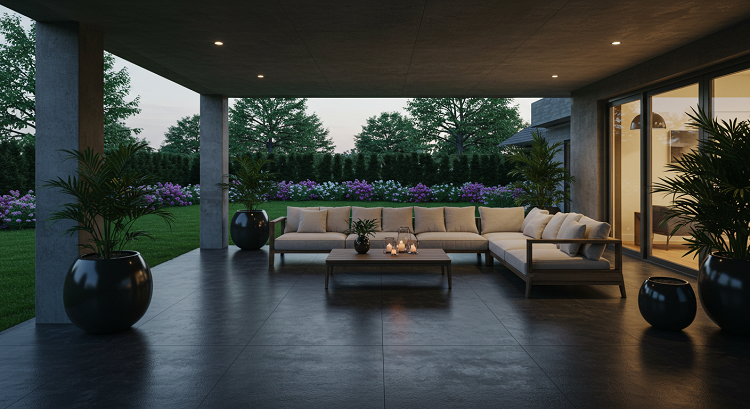

Outdoor space should feel safe. It should be a spot where kids can play, adults can relax, and no one trips over a wobbly step or a messy pile of toys. It doesn’t need to be fancy. It just needs to be clear, safe, and ready when everyone wants fresh air. With a few smart moves, any yard or deck can do more without turning into a big project.
Table of Contents
Start with safety you can see
Safety is the first step because it helps everyone relax. Walk the area during the day when you can see small problems. Look for loose boards, raised screws, shaky rails, and slippery spots. Press down on each step and wiggle the posts. If anything moves, fix it before adding seating or plants. A safe base makes every other upgrade work better.
Ground surfaces matter a lot. Paths should be level and firm. If there are gaps between pavers, fill them so small feet don’t catch. If the lawn dips, add a little soil and level it out. Keep hoses rolled up so no one trips. These changes take minutes and make a big difference.
Spaces for different moments
Think about what the family does outside. Eating together. Reading alone. Kicking a ball. Drawing with chalk. It helps to give each activity a small home, even if the space is tiny. A table and two chairs make a snack spot. A bench near a planter becomes a quiet corner. A soft mat on a flat area turns into a play zone. When each area has a clear job, people use it more and mess stays in check.
Keep walkways open so everyone can move without squeezing past furniture. If the yard is narrow, point the longest seats the same way to make it feel bigger. If the space is wide, pull seats into small groups so people can talk without shouting.
Keep the deck safe and comfy
A deck can be the main stage for family time, but wood needs care. Sun fades boards, and rain soaks in. Over time, that wear shows as grey color, rough spots, and tiny cracks. Cleaning and a fresh finish protect the wood and make it feel good underfoot. If the deck looks tired or patchy, a local team that offers Deck Restoration can help with sanding and sealing so the surface lasts longer and stays smooth.
Do a quick water test on a dry day. Drop a little water on a board. If it beads up, the shield is still working. If it soaks in fast, plan a new coat of sealer or stain. Check rails and steps for wobble. Tighten or replace hardware where needed. A sturdy deck becomes a place where kids can play cards, adults can chat, and everyone can stretch out.
Shade and sun without drama
Too much sun pushes people back inside. Too much shade makes things damp. Aim for a mix that changes through the day. A big umbrella is simple and can move with the light. A shade sail covers a wider area and still lets air flow. A pergola frame gives you a strong base for vines, string lights, or a light fabric cover.
Plants help with shade and mood. Taller plants at the back, shorter ones near the seats. Pick tough plants that don’t drop sharp seeds or berries that stain. Keep pots on stands with trays so water doesn’t sit on boards. If there’s a windy spot, place a screen or a row of planters to block gusts without closing the space off.
Seating that fits real life
Family seating should feel comfy and hard to break. Choose chairs that stack or fold if the area is small. Pick a table that’s easy to wipe. Outdoor cushions should dry fast. Covers or storage boxes keep them in good shape. Add a few small stools that work as seats or side tables. They’re handy for kids, extra guests, or a spot to set a book.
Keep at least one open area for calling “freeze” in tag or rolling out a yoga mat. That empty patch turns into a stage for games, stretching, or setting up a kiddie pool on hot days.
Simple power and light
Good lighting makes evenings calm and safe. Soft light marks steps and paths. A few warm bulbs around a table help with snacks and board games. Solar stake lights are easy to add and don’t need wiring. For plug-in gear, use outdoor-rated cords and outlets with safety covers. Keep cords out of walkways and off wet spots.
Set up one weather-safe power board in a reachable spot, off the ground, and under cover. Label each plug so it’s clear what to turn off. If an outlet looks damaged or gets hot, stop using it and ask a licensed electrician to check it. Keep it simple. Fewer switches and fewer plugs means fewer problems.
Storage that stops mess
Clutter pushes people away from a space. A deck box or bench with storage keeps balls, chalk, and gardening tools out of sight. A small shelf near the door can hold bug spray, sunscreen, and a towel for damp seats. Hooks on a wall hold hats and light coats. Pick storage that’s easy to open and close with one hand. If it’s easy to use, everyone uses it.
Baskets help inside the storage box. One for toys. One for garden tools. One for cloths and wipes. The goal is quick cleanups. End the day with a two-minute tidy. It keeps mornings smooth.
Water, heat, and wind checks
Outdoor spaces change with weather. Add non-slip pads to chair feet so they don’t slide on wet boards. Put a rubber mat at doorways to catch water from shoes. If the deck gets blazing hot, use an outdoor rug to cool the surface where people sit. Tie down umbrellas in windy areas. Close and secure shade sails during storms. These small habits protect the space and the gear.
If there’s a grill, keep it a safe distance from rails and walls. A mat under the grill catches grease. A basic fire extinguisher near the door is smart. Teach kids to wait until an adult says the grill is off and cool before walking over.
An easy care routine
A simple routine keeps the space ready without eating the weekend. Sweep once a week so grit doesn’t scratch wood or pavers. Wipe the table and chairs after use. Rinse mud and pollen with a hose a few times each season. Move planters and rugs now and then so the surface wears evenly. Run the water test on the deck each spring. If drops don’t bead, plan a new coat before summer heat.
Check for wobble in rails and steps at the start of each school term. Tighten screws that back out. Replace any that rust. Light bulbs for steps and paths should be bright enough to see edges but not harsh. Test them at night and adjust.
A quick weekend plan
Here’s a simple plan that fits into two days without stress. Clear the area on Saturday morning. Sweep, wipe, and wash key spots. While the deck dries, place seats into small groups and set one open play zone. Add shade where it helps most at noon. Put a mat near the door and a tray under the grill. Sort toys and gear into a box with baskets. On Sunday, fix small repairs and test lights. Do the water test on a dry board. If the shield is weak, plan a finish day soon.
What to remember
Family spaces work best when they feel safe, simple, and ready. Safety comes first: tight rails, solid steps, and smooth boards. Clear zones make it easy to eat, play, and rest. Shade and soft light keep people outside longer. Good storage stops mess from taking over. A short routine keeps problems small. With these moves in place, the yard or deck turns into a chill spot where everyone finds something to do, and no one argues about where to sit.