
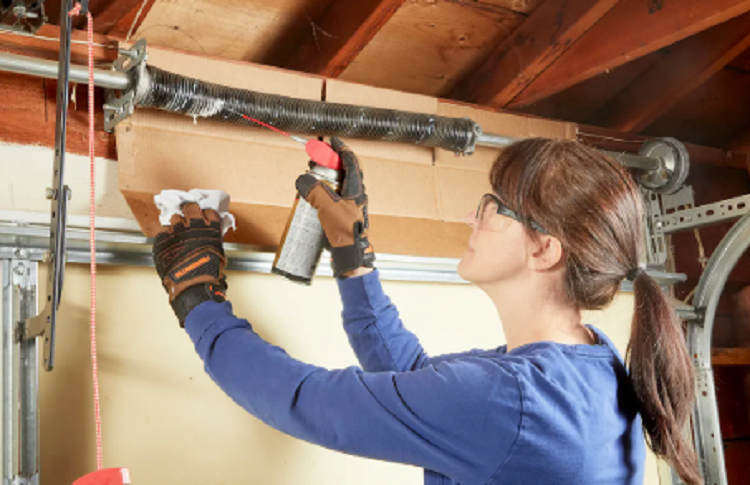

A faulty garage door can lead to significant disruptions in your daily life, and some faults, such as damaged springs, can result in costly repairs. Fortunately, most garage door faults can be prevented with good maintenance and care. Preventing wear and tear on critical parts like the springs, cables, and opener is essential to maintaining your garage door in good working condition for years to come.
Table of Contents
The Practical Tips to Assist You in Avoiding the Most Frequent Garage Door Problems and Maintenance
1. Regularly Lubricate Moving Parts
One of the easiest and most beneficial maintenance procedures is lubricating your garage door’s moving parts. Springs, rollers, and hinges should be greased every now and then in order to limit friction, cut down on wear, and help parts get creaky and stiff. Silicon-based lubrication is best and will not pull in dust and dirt like oils do.
2. Check and Tighten Hardware
Your garage door consists of numerous tiny pieces subject to a great deal of stress. Bolts, nuts, and screws can work themselves loose with time, causing misalignment or uneven wear. Check and tighten loose hardware in the habit. Be sure to give particular attention to the tracks and roller brackets, as even slight misalignment will impact the functioning of the door and cause unwanted stress to the springs and opener.
3. Keep an Eye on the Springs
Springs are among the most critical (and most stressed) parts of your garage door. They support the weight of the door as it opens and closes, and are usually under a lot of tension. If they are not maintained or wear out too much, they can snap, making the door fail. Although springs have a lifespan, you can get more out of them by lubricating them properly and inspecting them for any signs of wear, including stretching or external damage. If you notice problems with the springs, you must call in a professional to replace them before they give out on you.
4. Test the Door Balance
An unbalanced garage door can cause early wear on the opener, springs, and cables. To test for balance, release the door from the opener by pulling the emergency release cord. Next, lift the door halfway manually. If it does not remain in position or is difficult to lift, the springs are probably unbalanced and must be adjusted by a professional.
5. Keep Tracks Clean and Aligned
The tracks of your garage door system guide it as it opens and closes. Over time, dirt and debris can accumulate in the tracks, causing the door to get stuck or make noise. Keep the tracks clean and free of obstructions to ensure smooth movement. Additionally, check for any signs of misalignment—if the tracks are bent or out of position, the door could become stuck or operate unevenly.
6. Inspect the Cables
The cables and springs perform in tandem to lift and descend the door. If the cables become loose, frayed, or worn out, they snap or make the door malfunction. Check the cables frequently for external damage, and in case of fraying, wear, and tear, get a professional repair job done on them.
This article was written by a professional at 1 Stop Garage Doors. 1 Stop Garage Doors proudly serves homeowners and businesses with top-quality garage door installations and repairs. We install premium doors and openers from trusted brands, ensuring reliability and customer satisfaction. Our expert team provides cost-effective solutions, arriving with fully stocked trucks to handle repairs on the spot, including torsion spring replacements, drum and roller fixes, and general maintenance to keep your garage door functioning smoothly. Click here for more information.
The information provided on this website does not, and is not intended to, constitute legal advice; all information, content, and materials available on this site are for general informational purposes only.