
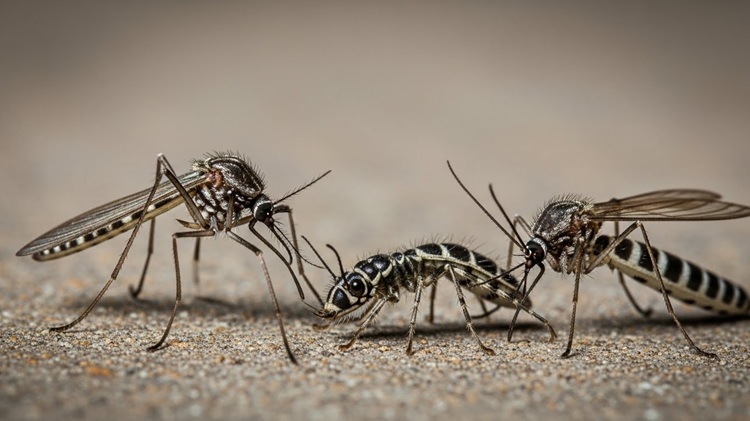
How Clogged Gutters in Vancouver Become a Winter Breeding Ground for Mosquitoes and Pests

The beautiful city of Vancouver, Washington, faces a secret threat each winter. This danger is not ice or snow but the simple, often forgotten gutter. Homeowners clean their gutters in the fall and think they are safe for the winter months. This is a mistake.
Clogged gutters become a breeding ground for pests. They create a perfect, sheltered spot for reproduction. If you see signs of these pests, you need to act fast. Finding reliable Vancouver pest control near me is the first step toward a pest-free home.
Table of Contents
The Hidden Danger of Vancouver’s Mild Winter
Winters in Vancouver are pretty mild, with plenty of rain and relatively little cold. Honestly, it works out well for us. But pests? They love these conditions even more. Most people assume mosquitoes disappear once winter arrives, but that’s not exactly the case. Some just find places to hide until things warm up.
Mosquito eggs don’t need much warmth to hatch. They can hang around for months, even through the whole winter, just waiting. As soon as there’s some water and the temperature rises a little, they’re ready.
And your clogged gutter is an ideal spot. The debris holds in warmth, so the water stays just a bit warmer than it would out in the open. So even when it feels cold outside, mosquitoes can keep reproducing. Your gutter basically becomes a mosquito nursery all year long.
Why Gutters Are Perfect Breeding Grounds For Pests
Gutters are designed to move water away from your home. However, when they clog, they become the ideal habitat for insect reproduction. They essentially turn into small, elevated ponds that fulfill every requirement for a pest nursery.
- The Formation of Standing Water
Because mosquitoes lay their eggs on still water, standing water caused by clogged gutters makes it easier for mosquitoes to reproduce. The delicate eggs and larvae can survive in this stagnant environment, which increases the number of mosquitoes.
- Providing the Perfect Organic Food Source
When decomposing leaves, mud, and twigs are combined with the trapped water, the result is a nutrient-rich liquid called an “organic stew.” The primary food source for mosquito larvae, often known as “wigglers,” is this decomposing debris, which helps their rapid growth and offers a steady supply of food close to residential areas.
- Offering Shelter and Protection
Unlike ground puddles, the gutter’s high, narrow channel protects from the weather and predators. Even a clogged section may produce hundreds of new mosquitoes ready to invade homes because of the isolation created by the roof overhang, which allows mosquito larvae to grow freely.
Other Gutter Invaders
Clogged gutters do not just bring in mosquitoes. Plenty of other pests are also attracted to that damp, sheltered area. Animals look for a safe place to hide, and all the trapped moisture can start damaging the wood near your roofline. You might see leaks showing up around the fascia boards and the roof itself.
Termites are especially attracted to this. They are always searching for soft, decaying wood, and a blocked gutter gives them direct access to your home. And all that organic debris collecting in the gutter is just right for flies like drain flies to lay their eggs and multiply.
Wasps and bees have their own reasons to stick around. They often build nests under the eaves, and a clogged gutter provides a sturdy, flat base along with easy water access.
Rodents should not be forgotten either. Mice and rats can use the blocked gutter as a hidden path, running along the roof and getting dangerously close to your attic or the inside of your walls.
Take Action Against Gutter Pests
Pointe Pest Control is a trusted partner for expert pest management services. They understand how environmental factors, such as faulty gutters, affect home infestations. Whether the problem starts with your sewer lines or in your gutters, call them today and take the first step to a pest-free home.